Pick-one helper

Sumatran elephants: a critically endangered species in Bali's care

Short verdict

Sumatran elephants are critically endangered, and WWF-UK puts the wild population at fewer than 1,400 animals.

The counts

  • An older WWF report gave 2,400 to 2,8007
  • 85 per cent of habitat lies outside protected areas3
  • Bali Zoo says it has 14 elephants4

Two taps to the herd

How would you like to meet the species?

Pick your distance and your time, and the matching Bali Zoo listing appears with its from-price.

1How do you want to meet the elephants?

The elephants you meet at Bali Zoo and in Taro belong to a subspecies that is now critically endangered in its home on Sumatra. This guide gives the status, the numbers with their dates, the reasons for the decline and what the Bali herds can and cannot do for the species.

Editorial team, balizooelephants.com · Updated November 3, 2026 · Roughly 6 min of reading

Seen in a second

  • StatusThe Sumatran elephant is listed critically endangered, and WWF-UK says Asian elephants overall are listed endangered.1
  • Wild numbersWWF-UK today puts the Sumatran elephant at fewer than 1,400 individuals.2
  • The main causeHabitat loss: 85 per cent of the habitat lies outside protected areas, per the IUCN Red List as WWF quotes it.3
  • Over BaliBali Zoo counts 14 elephants in its herd, and Mason is listed with over 30.4,5
  • A day visitOur guided care day at Bali Zoo starts from $78 and teaches the care routine.

What a Sumatran elephant is

The Sumatran elephant, Elephas maximus sumatranus, is a subspecies of the Asian elephant, found on the island of Sumatra. WWF-UK lists the Asian elephant overall as endangered by the IUCN and the Sumatran subspecies as critically endangered, which it explains as an extremely high risk with numbers still declining.1

When the IUCN raised the subspecies from endangered to critically endangered, WWF reported that it had lost nearly 70 per cent of its habitat and half its population in one generation.6 That is the jump in risk behind the label you now see on conservation pages, in zoo signs and on the booking page for any elephant program.

The animals in Bali are therefore not a decorative attraction. They are members of a subspecies whose wild population is small and still falling, which is the context for the welfare questions on the other pages of this site.

Snapshot

The Sumatran elephant in figures

PointFigureSource
IUCN statusListed critically endangeredWWF, WWF-UK
Habitat lostNearly 70 per centWWF report
Habitat outside reserves85 per centIUCN via WWF
Fall in Riau Province80 per cent in under 25 yearsWWF report
Bali Zoo herd14The zoo
Mason herdOver 30ACES

Figures as the sources state them; dates differ between sources.6,3,8,4,5

How many are left, and why the numbers disagree

Two figures circulate. A WWF report on the uplisting said that an estimated 2,400 to 2,800 Sumatran elephants remained in the wild, about 50 per cent fewer than in the 1985 estimate.7 WWF-UK, in its current species pages, says fewer than 1,400 individuals are estimated.2

These are not competing facts so much as estimates from different times and methods. The first comes from a report written when the subspecies was uplisted; the second is on a page that WWF-UK keeps up to date. When a source gives a number, look for its date, and when you cannot find one, say so, as we do here.

What all the estimates agree on is the direction. Whatever the exact count, it is small, it is lower than it was, and the pressures that reduced it have not gone away, which is why zoos and parks that keep the animals draw so much scrutiny.

The numbers, with their dates

Estimates of wild Sumatran elephants

  • Older report, low2,400
  • Older report, high2,800
  • WWF-UK, fewer than1,400

The first two bars come from a WWF report on the uplisting, the third from the current WWF-UK page; they are estimates from different times.7,2

Why the wild population fell

Habitat loss is the cause the sources name. WWF says the decline is largely because elephant habitat was deforested or converted for agricultural plantations, and that in Sumatra's Riau Province elephant numbers fell by 80 per cent in less than 25 years.8

Protection on paper does not equal protection on the ground. The IUCN Red List, quoted by WWF, notes that Sumatran elephants are protected under Indonesian law, yet 85 per cent of their habitat lies outside protected areas and is likely to be converted to agricultural and other uses.3

That is also why a captive herd far from Sumatra cannot, on its own, rescue the subspecies. The land that elephants need is the scarce resource, and a lodge or a zoo in Bali does not supply it. A responsible venue says this plainly and does not claim to be saving the species by itself.

Seeing them well

Three programs that keep the species in view

Where we would send you

A guided care day

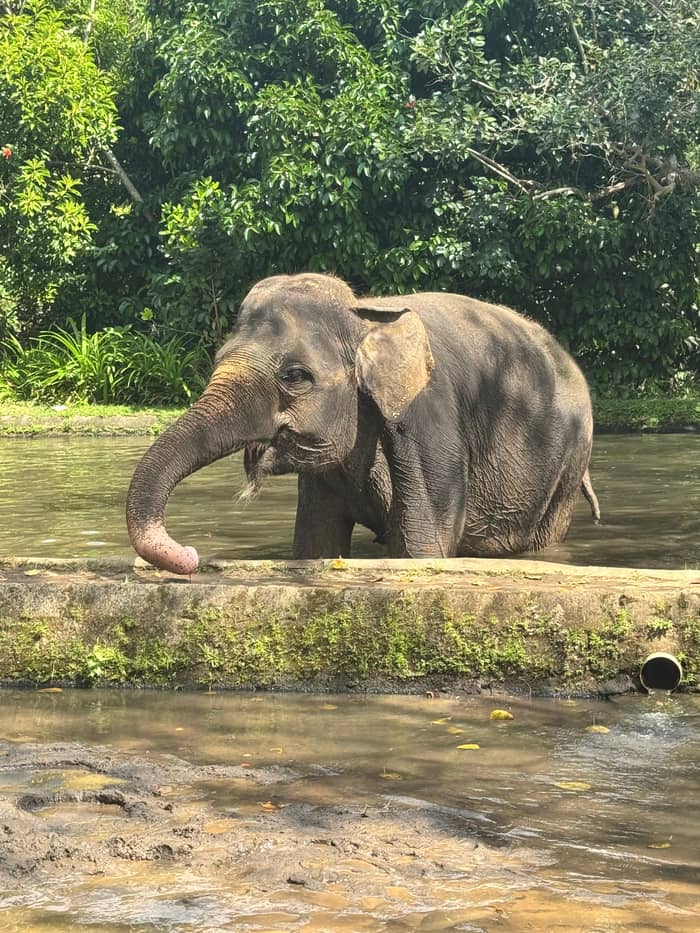
Bali Zoo with a mahout

  • From-price$78
  • Hours as the listing states7 hours in all
  • StyleElephant-led, guided
  • Rated4.71 from 2,327
View this listing

Observation

Watch only

The Elephant Explorer

  • From-price$70
  • Hours as the listing statesBetween 1.5 and 7 hours
  • StyleStrictly observation
  • Rated5.00 from 5
View this listing

Extended day

Breakfast and elephants

Orangutans, then mud care

  • From-price$98
  • Hours as the listing statesFrom 7 to 9 hours
  • IncludesLunch and admission
  • GuideEnglish
View this listing

How elephants came to live in Bali

Elephants in Bali all trace back to Sumatra. Mason says its elephants were rescued from Sumatran containment camps in 3 missions, the last in 2004, and carried more than 1,700 km by truck and ferry to Bali.9 It says none was taken directly from the wild, and that 6 calves have been born at the park since 2009.10,11

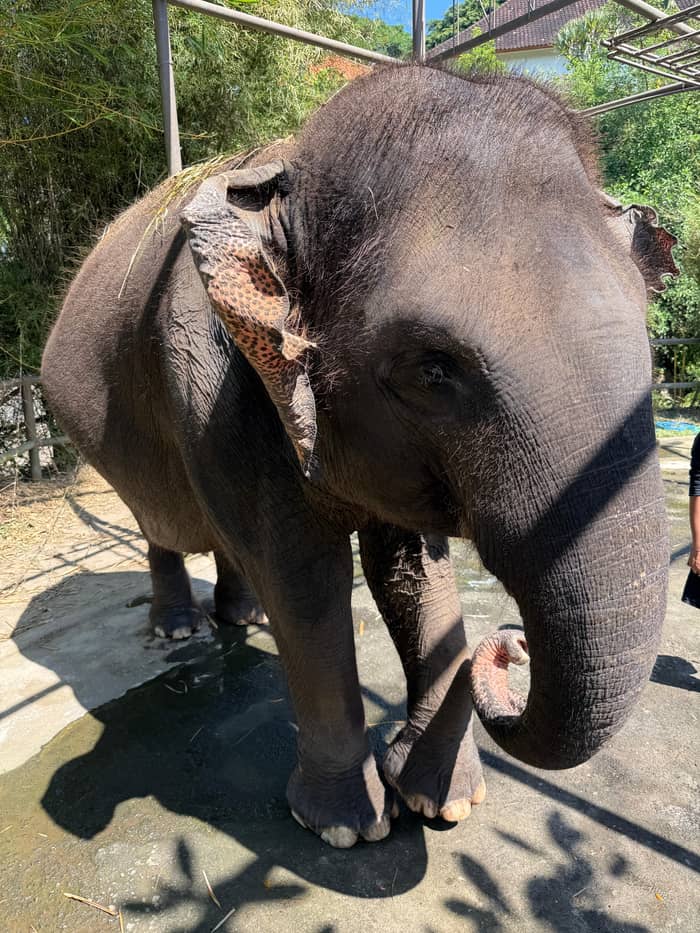
Bali Zoo counts 14 elephants in its herd, and it reports the birth of two male calves.4,12 Its own program text calls them Sumatran and puts them in the hands of experienced mahout handlers.13

Mason adds an aspiration: if the situation in Sumatra were stabilised, it would look at gradually returning its herd to the regions the elephants once called home.14 That is a stated hope, not a plan with a date, and we report it as one.

Sum for your party

Add up an elephant day for your group

Enter your party size and compare the Bali Zoo outings we list.

Weigh up 4 choices

Add up an elephant day for your group

Enter your party size and compare the Bali Zoo outings we list.

2 people
  1. Care dayLunch is covered · per guest, from $78

    ≈

    View
  2. Watch onlyExplorer visit · per guest, from $70

    ≈

    View
  3. Breakfast dayOrangutans first · per guest, from $98

    ≈

    View
  4. Care and tourA handful of guests · per guest, from $101

    ≈

    View

Lowest GetYourGuide from-prices at the ECB rate; the exact sum is shown at checkout.

The care day, step by step

How a day with the elephants unfolds

  1. Inside the zoo gate

    Kampung Sumatra

    The session starts there with a light refreshment.

  2. First talk

    A mahout's briefing

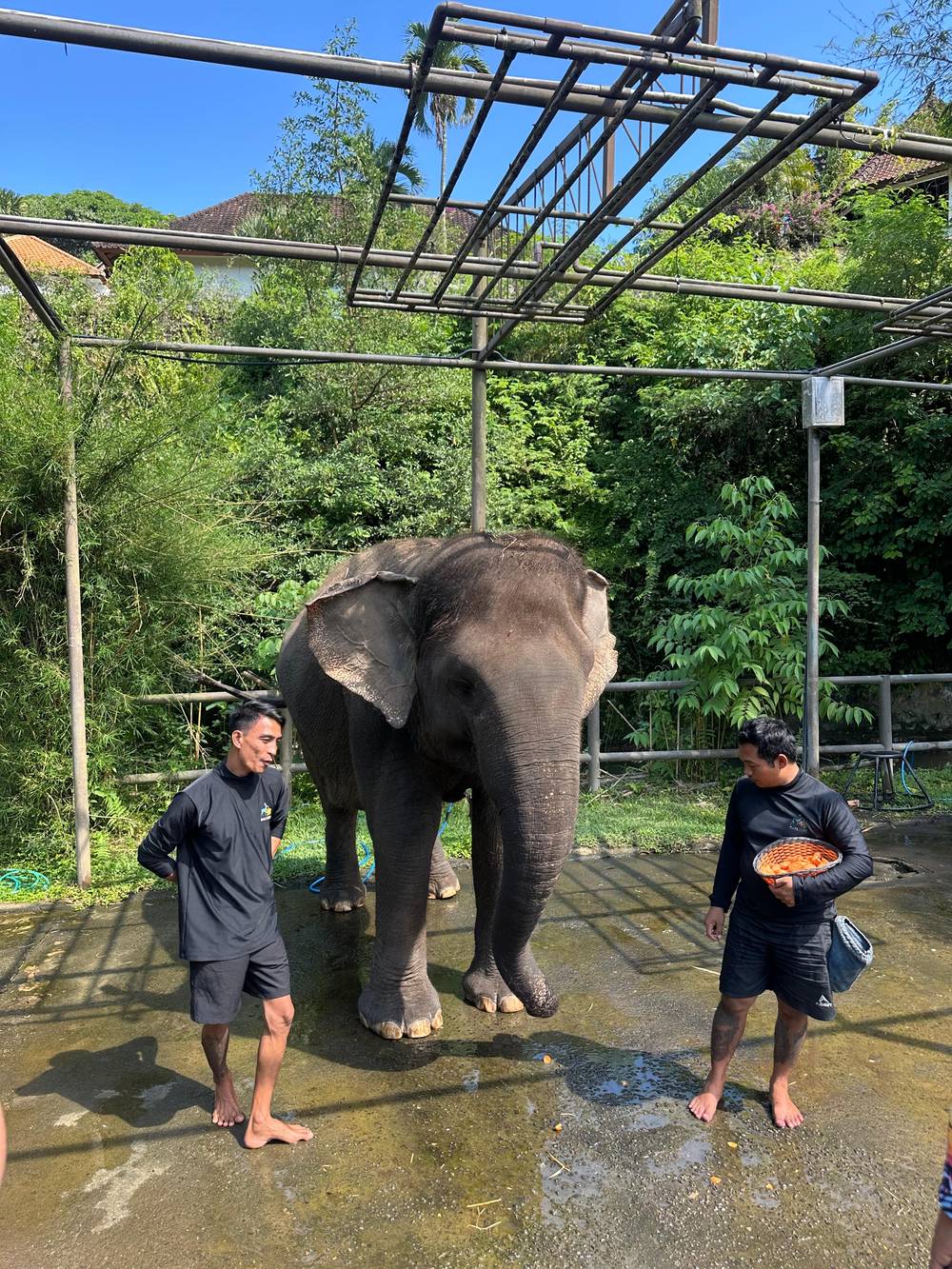
    An English-speaking mahout explains behavior, daily care and welfare rules.

  3. Observation

    Mud and river areas

    You watch the elephants, including at the mud and river areas.

  4. After the session

    Lunch

    Lunch is included, and so is admission to the zoo.

  5. Rest of the day

    Explore the zoo

    The listing runs 7 hours in all.

What the herds eat, and why they love mud

Mason says its elephants eat a balanced diet of about 250 kg of food each day, and that community partners help supply 7 tons of food each day for the whole herd.15 Numbers like these explain why an elephant park is a large agricultural operation as much as a visitor attraction.

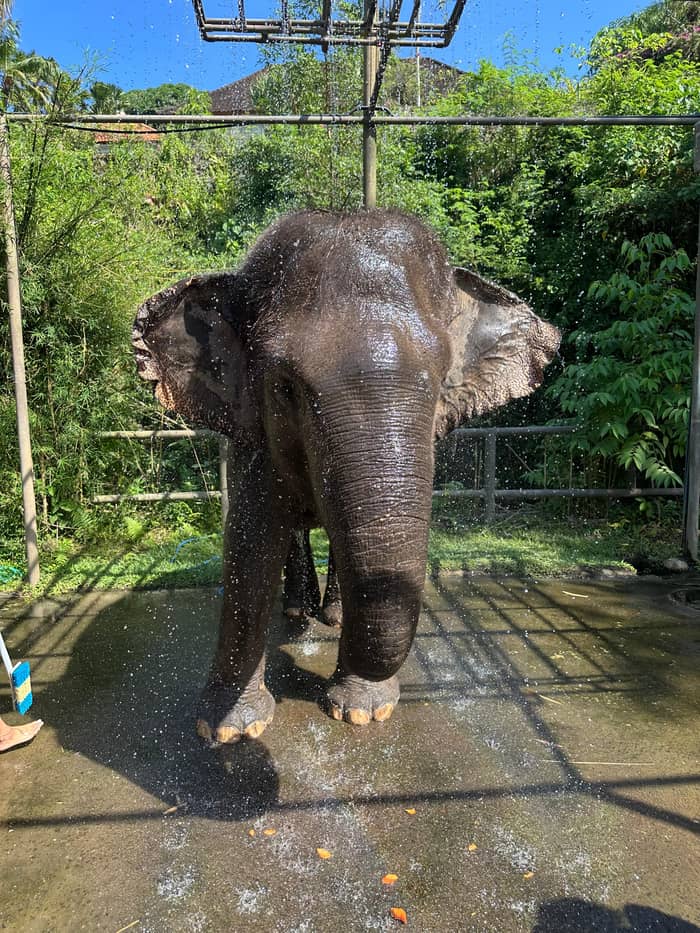
Bali Zoo explains the mud bath in simple terms. It says elephants have no sweat glands and rely on mud to stay cool, and that although their hide looks tough they can actually get sunburned.16 A mud session is therefore part of the animal's own heat management, which the guide can explain as you watch.

The zoo also warns that the mud program can be paused when heavy rain raises the river so the elephants cannot cross it safely.17 That is a sign the program bends to the animals' needs, and it is one reason to keep your plan flexible on a wet day.

Video

Will Sumatra's elephants go extinct?

BBC News on YouTube · The film stays still until you press play.

The Sumatran elephant is critically endangered with fewer than 1,400 individuals estimated.
WWF-UK2

Visit well

A checklist for meeting an endangered species

Questions to ask3

  • How are the elephants' needs put first?
  • Who handles the animals?
  • What happens when the weather is bad?

Dress for the mud3

  • Dry clothes to change into
  • Sandals that can get wet
  • Sun cream and a brimmed hat

Give back3

  • Look for habitat protection charities
  • Keep your booking confirmation
  • Write your own review of the day

What a visit does for the species

Be realistic. A day at Bali Zoo does not add a single elephant to Sumatra's forests. What it can do is give visitors an accurate picture of the species, and fund the care of animals that live in Bali. The care day is built around a mahout who explains behavior, daily care and the welfare rules.

Pick programs that keep a respectful distance and put the elephant's willingness first. The Explorer listing is strictly observation only, and the care day lets close viewing happen only when the mahout approves. Avoid any seller who offers a ride, which both main Bali venues ended in January.18,19

If you want to help the wild animals directly, look at organisations that protect habitat in Sumatra and give to them. A ticket to a zoo is a reasonable way to learn and a poor way to conserve, and both statements can be true at once.

Calves, families and the question of company

Elephants live in family groups, and a captive herd raises the question of whether its animals have the company of their own kind. Both Bali venues report births. Bali Zoo describes two male calves as proof of a safe and supportive environment, and Mason names its calves and says the first siblings were born in 2009.12,11

Mason is open about a difficulty. Because its elephants were rescued from many separate camps and herds, not all of them get along, and the park says it tethers them only at meal and sleep times to prevent fights, bullying and food stealing.20 Whether that trade-off convinces you is a personal call, and it is the sort of detail worth asking any venue about.

When you visit, notice whether elephants are standing near each other, whether calves stay close to adults and whether any animal looks isolated. You will not read a herd's social life in an hour, but you will see enough to ask good questions of the guide.

Questions to ask about any captive herd

A short list serves for Bali and for anywhere else. Where did the elephants come from, and can the operator say so? Who audits the care, and how recently? What does a typical day look like for an animal outside visitor hours? What happens to the elephants when it rains, when the zoo is closed or when visitor numbers fall?

A good operator answers without hurry and gives specifics. The Bali Zoo listing, for instance, states that elephant activities depend on the animals' comfort and willingness, and that orangutan contact and feeding are not permitted, which are the kinds of rules that can be checked on the day.

A poor answer is vague, changes the subject or claims a certificate that you cannot find. Keep your own notes and compare what you were told with what you saw, and share the difference in a review so the next visitor can use it.

FAQ

Likely questions, direct replies.

Are Sumatran elephants endangered?
Yes, critically endangered.

WWF-UK says Sumatran elephants are critically endangered, at extremely high risk with numbers declining.1

How many Sumatran elephants are left?
Fewer than 1,400, per WWF-UK.

An older WWF report estimated 2,400 to 2,800 in the wild.2,7

Why are Sumatran elephants declining?
Mostly because habitat was lost.

WWF says deforestation and plantations are behind the decline.8

What size is the Bali Zoo herd?
It says 14.

It also reports the birth of two male calves.4,12

Where did the Mason elephants come from?
Sumatran containment camps.

The park says none was taken directly from the wild.10

Why do elephants roll in mud?
To stay cool and shield their hide.

The zoo says they have no sweat glands and can get sunburned.16

Will the Bali herds go back to Sumatra?
Mason hopes to, if conditions allow.

It calls that a possibility if the situation in Sumatra is stabilised.14

Sources

  1. WWF-UK · Asian elephants ↩
  2. WWF-UK · Asian elephants ↩
  3. WWF · Habitat loss drives Sumatran elephants step closer to extinction ↩
  4. Bali Zoo (official ticket and package data) · Bali Zoo tickets and packages ↩
  5. Asian Captive Elephant Standards (ACES) · Mason Elephant Park & Lodge ↩
  6. WWF · Habitat loss drives Sumatran elephants step closer to extinction ↩
  7. WWF · Habitat loss drives Sumatran elephants step closer to extinction ↩
  8. WWF · Habitat loss drives Sumatran elephants step closer to extinction ↩
  9. Mason Elephant Park & Lodge (official site) · Our Values ↩
  10. Mason Elephant Park & Lodge (official site) · Our Values ↩
  11. Mason Elephant Park & Lodge (official site) · Our Values ↩
  12. Bali Zoo (official ticket and package data) · Bali Zoo tickets and packages ↩
  13. Bali Zoo (official ticket and package data) · Bali Zoo tickets and packages ↩
  14. Mason Elephant Park & Lodge (official site) · Our Values ↩
  15. Mason Elephant Park & Lodge (official site) · About Us ↩
  16. Bali Zoo (official ticket and package data) · Bali Zoo tickets and packages ↩
  17. Bali Zoo (official ticket and package data) · Bali Zoo tickets and packages ↩
  18. Travel Weekly · Bali Zoo ends elephant riding as animal welfare momentum builds ↩
  19. ANTARA News Bali · Bali BKSDA monitors Mason Park as an end of elephant riding activities ↩
  20. Mason Elephant Park & Lodge (official site) · Our Values ↩

A last glance

Hold a place beside the herd.

Hold the date now and pay later if you like. No fee applies if you cancel a day or more before the start, and live dates and prices sit on GetYourGuide.

Check availability